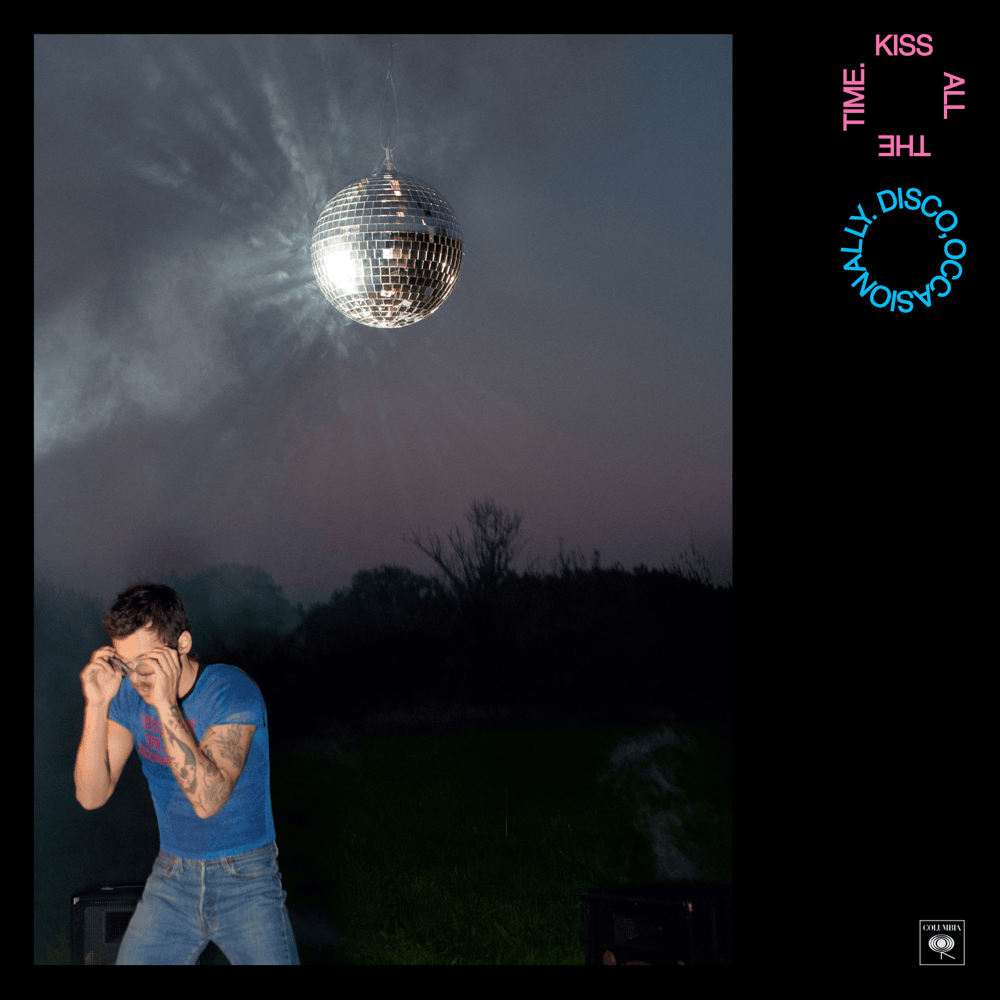
Harry Styles' "The Waiting Game": Decoding Its Frustration and Futility
Harry Styles, an artist renowned for his evocative storytelling and genre-bending soundscapes, takes listeners on a raw, introspective journey with "The Waiting Game." Featured as the sixth track on his fourth album, *Kiss All The Time. Disco, Occasionally.*, this song delves deep into the often-uncomfortable realities of self-deception, procrastination, and the ultimate emptiness that can result from a life lived in avoidance. Far from a romantic ballad, "The Waiting Game Lyrics" peel back layers of justification, exposing the core frustration and futility of inaction. It's a poignant reflection on wasted time and missed opportunities, a theme many listeners can undoubtedly resonate with.Deconstructing "The Waiting Game Lyrics": A Deep Dive into Styles' Narrative
The initial verses of "The Waiting Game" immediately set a stark tone, pulling back the curtain on a protagonist who masterfully evades responsibility. Styles opens with the cutting observation:"You can romanticise your shortcomings, ignore your agency to stop
Write a ballad with the details while skimming off the top"
The Allure of Self-Deception: Romanticizing Shortcomings
The lyrics continue to dissect this manufactured reality, speaking of a "personality" carefully constructed, especially after being "a little over-honest lately." This implies a struggle with authenticity, where moments of genuine vulnerability are quickly followed by a retreat into a more comfortable, albeit dishonest, persona. The apology that follows – "And you apologise, a dirty clown" – is steeped in irony. It’s an apology that feels hollow, perhaps even performative, delivered by someone who understands their charade but lacks the will to abandon it. The "dirty clown" metaphor perfectly encapsulates the mix of feigned innocence, underlying manipulation, and the sadness of someone trapped in their own act.The Cycle of Futility: "It All Adds Up to Nothing"
The core message of the song, and perhaps its most heartbreaking, is encapsulated in the recurring chorus:"You found someone to put your arms around
Playing the waiting game
But it all adds up to nothing
You try, and you always justify
Playing the waiting game
When it all adds up to nothing"
"Do you tantalise and titillate
Knowing it won't make the grade?
Do you leave it on the table?"
Beyond the Lyrics: The Psychological Impact of Procrastination and Avoidance
"The Waiting Game Lyrics" offer more than just a musical narrative; they provide a piercing insight into the psychological traps many individuals fall into. The song's themes resonate deeply with concepts like procrastination, self-sabotage, and the insidious nature of comfort zones. When we "romanticise our shortcomings," we engage in a form of self-handicapping, creating excuses for potential failures before they even occur. This protects the ego but stunts growth. Ignoring one's "agency to stop" means denying personal power, shifting blame, and consequently, remaining a victim of circumstances rather than an agent of change. The constant justification for playing the waiting game, as articulated in the song, is a common coping mechanism. It's easier to invent reasons why one cannot act, why the timing isn't right, or why the effort isn't worth it, than to face the discomfort of trying and potentially failing. This emotional dryness and the feeling that "it all adds up to nothing" are direct consequences of a life lived without genuine engagement and commitment. It’s a powerful artistic commentary on the human tendency to avoid pain, even if that avoidance leads to a greater, long-term emptiness. Styles effectively uses his platform to hold a mirror up to these universal struggles, inviting listeners to reflect on their own patterns of avoidance.Breaking the Cycle: Actionable Steps to Escape Your Own "Waiting Game"
Harry Styles’ "The Waiting Game" serves as a stark warning, but it also implicitly offers a path forward by highlighting what *not* to do. If you find yourself caught in your own waiting game, here are some practical steps to reclaim your agency and move towards a more fulfilling life:- Acknowledge Without Romanticizing: Instead of writing a "ballad with the details" of your shortcomings, simply acknowledge them. Understand your challenges without embellishing them or using them as excuses. Self-awareness is the first step to change.
- Reclaim Your Agency: Recognize that you have the power to "stop" the unproductive cycle. Identify specific areas where you've been deferring action. Your agency is your power to choose, to initiate, and to respond differently.
- Break Down Overwhelming Tasks: Often, the "waiting game" is a response to feeling overwhelmed. Break large goals into tiny, manageable steps. Focus on taking just *one* small step forward.
- Practice Honest Self-Reflection: Ask yourself *why* you're waiting. Is it fear of failure, fear of success, perfectionism, or something else? Understanding the root cause is crucial. Consider seeking feedback from trusted friends or mentors who can offer an objective perspective.
- Embrace Imperfection: The desire for everything to be perfect can lead to endless waiting. Understand that progress, not perfection, is the goal. Taking imperfect action is almost always better than no action at all.
- Set Small, Achievable Deadlines: Create self-imposed deadlines for your smaller steps. This builds momentum and reduces the temptation to defer.
- Focus on the Process, Not Just the Outcome: Shift your mindset from agonizing over the final result to appreciating the effort and learning involved in the journey.