"The Waiting Game": A Dual Perspective on Life's Universal Pause
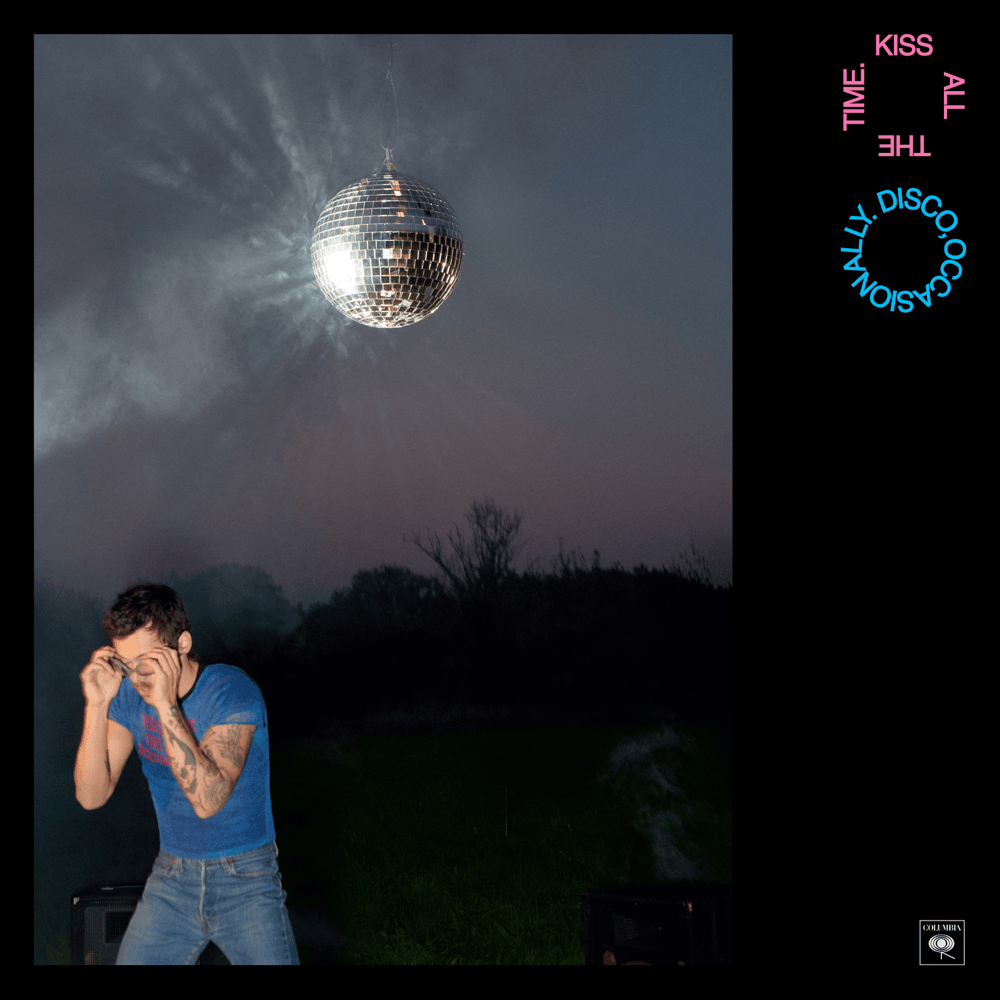
Life often presents us with moments of suspension, periods where progress seems stalled, and outcomes are uncertain. This universal human experience, often fraught with anticipation, frustration, or strategic patience, has been eloquently captured by artists across generations. Two distinct interpretations of this phenomenon emerge from the musical landscape, each offering a unique lens through which to view the concept of "the waiting game." Harry Styles, in his track from *Kiss All The Time. Disco, Occasionally.*, and Todd Rundgren, with his classic introspection, both title their songs "The Waiting Game." While the title is shared, the
The Waiting Game Lyrics from each artist reveal strikingly divergent philosophies. Styles' rendition delves into the futility and self-deception inherent in a passive, often self-sabotaging wait, while Rundgren presents a narrative of strategic persistence, viewing time as a powerful weapon in achieving a desired outcome. This article will explore these two fascinating perspectives, comparing their core messages and extracting valuable insights into how we navigate the inevitable periods of waiting in our own lives.
Harry Styles' Lament: The Futility of Self-Deception and Inertia
Harry Styles' "The Waiting Game" paints a vivid, albeit somber, picture of a person trapped in a cycle of avoidance and rationalization. The lyrics immediately hit home for anyone who has found themselves romanticizing their own shortcomings or sidestepping accountability. Styles sings about the tendency to "romanticise your shortcomings, ignore your agency to stop," suggesting a deliberate choice to remain in a less-than-ideal state rather than confronting it head-on. This isn't just passive waiting; it's an active *refusal* to act, masked by elaborate justifications.
The imagery of writing "a ballad with the details while skimming off the top" further emphasizes this self-serving narrative. It's about crafting a persona, perhaps even a victimhood, that allows one to avoid true introspection or change. The phrase "a dirty clown" used to describe the apologetic individual speaks volumes about the insincerity and performative nature of their repentance. It’s an apology offered without genuine intent to change, perpetuating the very cycle it claims to regret.
Styles' "The Waiting Game Lyrics" underscore the emptiness of this approach. Despite finding "someone to put your arms around" – perhaps a temporary distraction or comfort – the core message remains: "But it all adds up to nothing." The repeated justification ("You try, and you always justify / Playing the waiting game") highlights the deep-seated resistance to breaking free. Whether it's tantalizing others "knowing it won't make the grade" or "messing with your own design," the underlying theme is a lack of genuine effort and a profound sense of emotional detachment, leading to years slipping by with little to show for it. This song is a powerful commentary on the personal stagnation that arises from avoiding uncomfortable truths and deferring meaningful action. For a deeper dive into Styles' perspective, you can read more at
Harry Styles' "The Waiting Game": Decoding Its Frustration and Futility.
Todd Rundgren's Anthem: Strategic Patience and Winning with Time
In stark contrast, Todd Rundgren's "The Waiting Game" offers a narrative steeped in strategic intent and unwavering resolve. While also acknowledging past mistakes ("Every time that I fall for that same old trick / I punish myself with the same old stick"), Rundgren’s protagonist is not content to wallow in futility. Instead, he declares a definitive shift in approach: "But I swear here and now / The truth shall be mine / And surrender to my prayer / The weapon is time." This pivotal line fundamentally redefines the act of waiting from a passive state into an active, weaponized strategy.
Rundgren's waiting game is not about avoiding reality but about manipulating it through patience. He acknowledges the persistent memory of the subject of his affection ("Your memory seems like a living thing"), even recognizing the occasional delusion ("Forgetting it's just a dream"). However, this acknowledgment doesn't lead to resignation. Instead, it fuels his resolve. He sees time not as something that passes by aimlessly, but as a tool to gradually wear down resistance and strengthen his own position.
His declaration, "I'm gonna win the waiting game," is a mantra of confident determination. He intends to "slowly undermine" the "wall of resistance" and ultimately achieve his goal, whether it's gaining love or simply moving on. The shifting declaration "And forget you in the end" to "And I'll be with you in the end" depending on the stanza, showcases a dynamic and evolving strategy. It's about enduring, adapting, and ultimately emerging victorious, not by forcing an issue, but by letting time work in his favor. This proactive, almost combative, approach to waiting distinguishes Rundgren's perspective as one of calculated endurance and ultimate triumph. To explore Rundgren's strategy further, visit
Todd Rundgren's "The Waiting Game": Winning Through Persistence.
A Tale of Two Waiting Games: Futility vs. Strategy
The juxtaposition of Harry Styles' and Todd Rundgren's "The Waiting Game Lyrics" provides a compelling framework for understanding different approaches to life's inevitable pauses. Styles' narrative is a cautionary tale, a reflection of how self-deception, avoidance, and a lack of agency can lead to profound emptiness. His protagonist is a spectator in their own life, justifying inaction and passively letting "years go by." The waiting game here is a form of self-inflicted stagnation, where the outcome is always "nothing" because genuine effort is never truly applied. It speaks to the psychological burden of unaddressed issues and the human tendency to rationalize comfort over challenging change.
Rundgren, conversely, offers a masterclass in strategic endurance. His waiting game is anything but passive; it's a calculated offensive where patience is the primary weapon. He acknowledges the difficulty and the temptation to succumb to past patterns, but he actively chooses to use time to his advantage, to "undermine" resistance and ensure a win. For Rundgren, waiting isn't about avoiding the inevitable; it's about shaping it, about believing that given enough time, the desired outcome will materialize, or alternatively, the pain will fade. This perspective champions resilience, forethought, and the power of sustained effort over time.
Psychological Underpinnings: Passive Avoidance vs. Active Determination
From a psychological standpoint, Styles' song reflects elements of passive-aggressive behavior or even learned helplessness, where an individual feels powerless to change their circumstances and thus rationalizes their inaction. The "dirty clown" apology suggests a lack of genuine remorse or intent for behavioral change, perpetuating a cycle of superficiality.
Rundgren's song, on the other hand, embodies a growth mindset. Despite past setbacks, there's a clear intention to learn, adapt, and strategize for future success. His belief in "time" as a weapon speaks to an internal locus of control, where he perceives his own actions and endurance as key drivers of the outcome, rather than external circumstances. This proactive stance is empowering and ultimately promises a more fulfilling resolution, whether it's winning the heart of another or achieving personal liberation.
Navigating Your Own Waiting Game: Practical Insights
Understanding these two distinct interpretations of "the waiting game" can offer profound insights into our own lives. We all face periods of waiting – for a job offer, a relationship to clarify, a creative project to manifest, or a personal challenge to resolve. The crucial question is: which "waiting game" are we playing?
Identifying Your Waiting Style:
- The Styles' Futility Trap: Are you romanticizing shortcomings, justifying inaction, or finding temporary distractions that prevent meaningful progress? Do you often feel a sense of emptiness or that "it all adds up to nothing" despite your efforts? This might indicate you're caught in a self-defeating waiting pattern.
- The Rundgren's Strategic Approach: Are you actively using the waiting period to gather resources, plan, improve yourself, or observe the situation carefully? Do you view time as an ally, believing that persistence will eventually yield results? If so, you're likely playing a more constructive waiting game.
Shifting Towards a Productive Wait:
- Acknowledge and Own Your Agency: Like Styles suggests, the first step is to stop romanticizing shortcomings. Recognize where you have the power to act, even if it's small steps.
- Define Your "Weapon of Time": What does "time" mean for your particular waiting game? Is it patience, learning, building resilience, or subtly influencing the situation? Identify how you can actively use the passage of time.
- Set Strategic Micro-Goals: Instead of passively waiting for a big event, set smaller, actionable goals that can be worked on *during* the waiting period. These could be personal development, research, or preparation.
- Reframe Your Perspective: Shift from viewing waiting as a passive void to seeing it as an active period of preparation, growth, or strategic observation.
- Practice Emotional Discipline: Styles' lyrics touch on being "emotionally dry" or a "dirty clown." Rundgren, while acknowledging past self-deception, shows a stronger emotional resolve. Cultivate genuine self-awareness and integrity during your wait.
For example, if you're waiting for a career opportunity, the Styles approach might be to complain about the market while doing nothing to update your skills. The Rundgren approach would be to use that waiting time to learn new software, network, or refine your portfolio, making you a stronger candidate when the opportunity arises.
Conclusion
Both Harry Styles' and Todd Rundgren's "The Waiting Game" offer profound insights into the human condition, albeit from opposite ends of the spectrum. Styles masterfully captures the frustration and futility of passive waiting, a state characterized by self-deception and the eventual realization that "it all adds up to nothing." His lyrics serve as a poignant reminder of the consequences of avoiding agency and authentic engagement. Rundgren, on the other hand, transforms the act of waiting into a strategic endeavor, a testament to the power of persistence, calculated patience, and the belief that time itself can be a formidable weapon. By examining these compelling "The Waiting Game Lyrics," we gain a deeper appreciation for the diverse ways individuals cope with periods of uncertainty. Ultimately, the choice of how we engage with our own waiting games rests with us – whether we succumb to the emptiness of inaction or harness the power of time to strategically pursue our goals.